
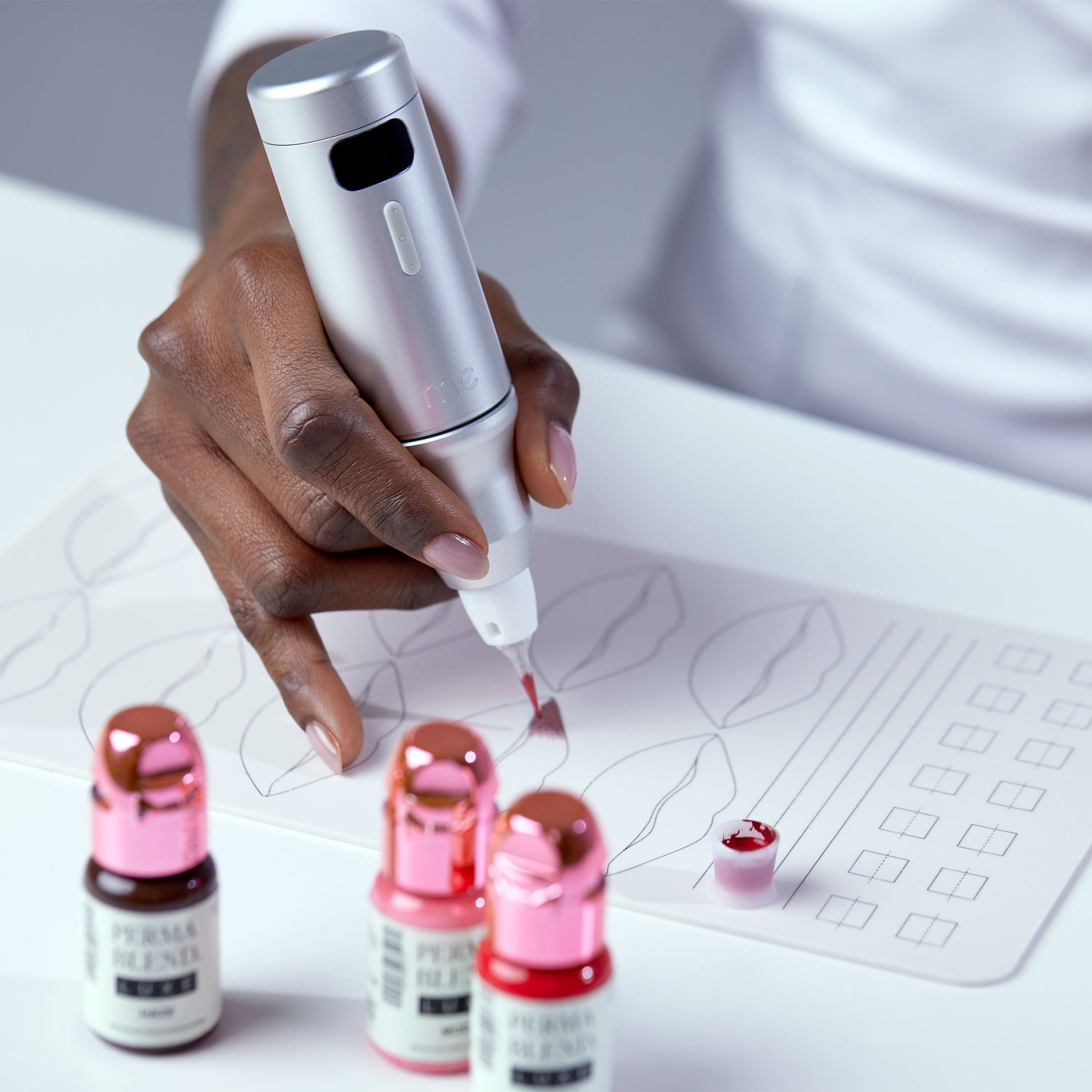
You have probably heard the terms “heavy hand” and “light hand” used in permanent makeup, especially when discussing an artist’s pigmentation technique. These terms are commonly used to describe how the artist interacts with the skin, including the pressure applied, the stability of the hand and the way the machine and needle are controlled during the procedure.
However, pressure is only one part of the equation. Pigment implantation is also influenced by needle depth, hand speed, movement, angle, skin tension, machine settings, cartridge configuration and the number of passes performed.
Finding the right balance is essential because it affects pigment retention, healed results and the level of trauma caused to the tissue.
When the Hand Is Too Light
A “light hand” is often associated with gentle, delicate work. In permanent makeup, however, there is an important difference between working gently with control and working too superficially.
If the needle interaction is too shallow, unstable or inconsistent, the pigment may be deposited mainly within the layers of the epidermis that are naturally shed during the healing process. As a result, pigment retention may be poor, the result may heal unevenly, or very little color may remain after healing.
A hand that is too light may result in:
-
poor or inconsistent pigment retention;
-
patchy healed results;
-
areas in which the pigment disappears almost completely;
-
repeated passes that unnecessarily prolong the procedure;
-
difficulty building even saturation.
Artists often work too lightly because they are afraid of going too deep, causing excessive trauma or creating an oversaturated result. In other cases, the problem comes from insufficient technical knowledge, an unstable working angle or a poorly developed sense of depth.
Gentle work is not ineffective work. The objective is to remain delicate while still creating consistent, controlled needle interaction at the correct working depth.
When the Hand Is Too Heavy
Working with a “heavy hand” generally means applying excessive pressure or forcing the needle into the tissue instead of allowing the machine and technique to work together.
This can lead to:
-
excessive bleeding, lymph or swelling;
-
unnecessary tissue trauma;
-
oversaturation;
-
pigment migration;
-
prolonged healing;
-
scarring or changes in skin texture;
-
dense, unnatural healed results;
-
unwanted changes in the appearance of the pigment after healing.
Artists sometimes increase pressure because they are afraid that the pigment will not remain in the skin. They may also begin pressing harder when the machine loses stability under load, when the cartridge does not match the technique or when the selected settings do not provide the required needle behaviour.
The artist then tries to compensate physically for a technical mismatch.
However, increasing pressure is rarely the correct solution. The real cause may be connected to incorrect skin tension, hand speed, needle configuration, pigment consistency, machine settings, working angle or insufficient understanding of how the device behaves under load.
Finding the Sweet Spot
The “sweet spot” is the balance between working too superficially and causing unnecessary trauma. It means reaching an effective working depth while maintaining control and respecting the structure of the skin.
This balance cannot be defined by pressure alone. It is created by the relationship between:
-
needle depth and protrusion;
-
movement and hand speed;
-
working angle;
-
skin tension;
-
machine speed and drive characteristics;
-
cartridge configuration;
-
pigment consistency;
-
the condition and resistance of the tissue.
Every skin type responds differently. Mature, vascular, oily, fibrotic, thin or previously pigmented skin may require adjustments in technique. The artist must therefore learn to observe the tissue continuously, rather than relying on one fixed movement or amount of pressure.
The correct working point should allow the pigment to be implanted effectively without forcing the needle into the skin.
Learn to Read the Skin
The skin provides immediate information during the procedure. Instead of judging the technique only by how dark the pigment looks on the surface, observe the tissue response.
Ask yourself:
-
Is the pigment entering the skin evenly?
-
Is the tissue response proportionate to the amount of work performed?
-
Am I seeing excessive swelling, bleeding or lymph?
-
Do I need repeated passes to achieve visible implantation?
-
Is the skin becoming increasingly resistant or irritated?
-
Am I controlling the machine, or am I compensating for it with pressure?
A strong immediate result does not automatically indicate correct implantation. Likewise, minimal trauma does not necessarily mean the work was too superficial. The true quality of the technique becomes visible in the healed result.
Practice Before Increasing Pressure
Practising on high-quality latex skin can help develop consistent movement, hand stability and coordination between speed and needle depth. It also allows artists to identify technical mistakes without the pressure of working on a client.
However, latex cannot fully reproduce the elasticity, vascularity, resistance or biological response of living tissue. It should be used to develop mechanical consistency, while real-skin observation is necessary to learn how different tissue types respond.
If pigment retention is poor or healed results are inconsistent, do not simply label yourself as a “light-handed artist.” Analyse the complete process:
-
Was the skin stretched correctly?
-
Was the movement stable and repeatable?
-
Was the working speed appropriate?
-
Was the cartridge suitable for the technique and tissue?
-
Did the machine remain stable under load?
-
Was the pigment deposited consistently rather than only placed on the surface?
Understanding Your Machine
A PMU machine is not merely a tool held in the hand. Its mechanical behaviour directly influences the way the needle interacts with the skin.
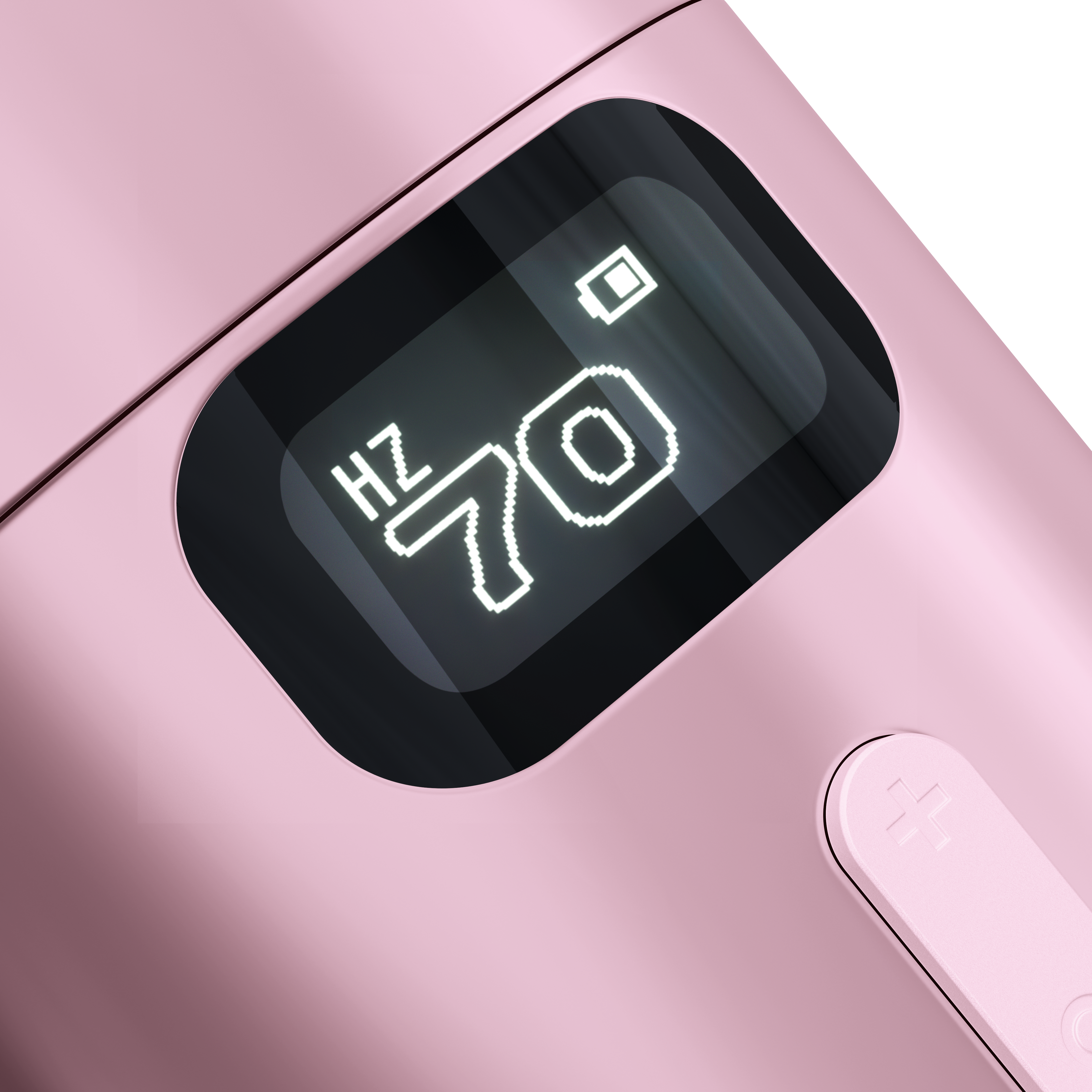
Stroke length, motor characteristics, torque, drive mechanism, speed regulation and needle motion all affect the sensation and performance of the device. Two machines operating at the same displayed speed may behave very differently once the needle meets the resistance of the tissue.
If a machine loses stability under load, the artist may instinctively slow down, repeat passes or apply more pressure. This increases the risk of inconsistent implantation and unnecessary trauma.
That is why artists need to understand not only which settings they use, but also how their machine behaves during actual skin contact.
How ME™ Supports Controlled Technique
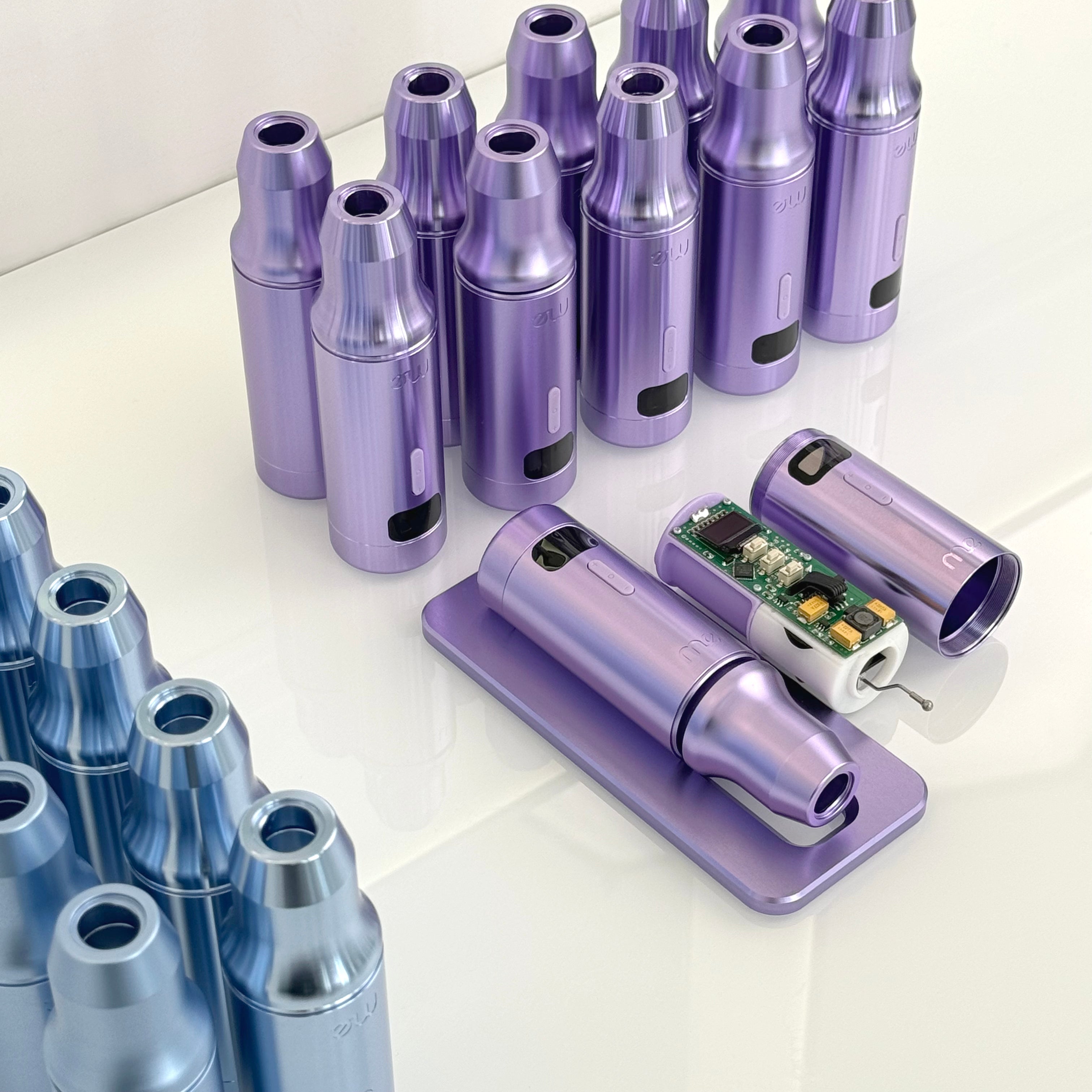
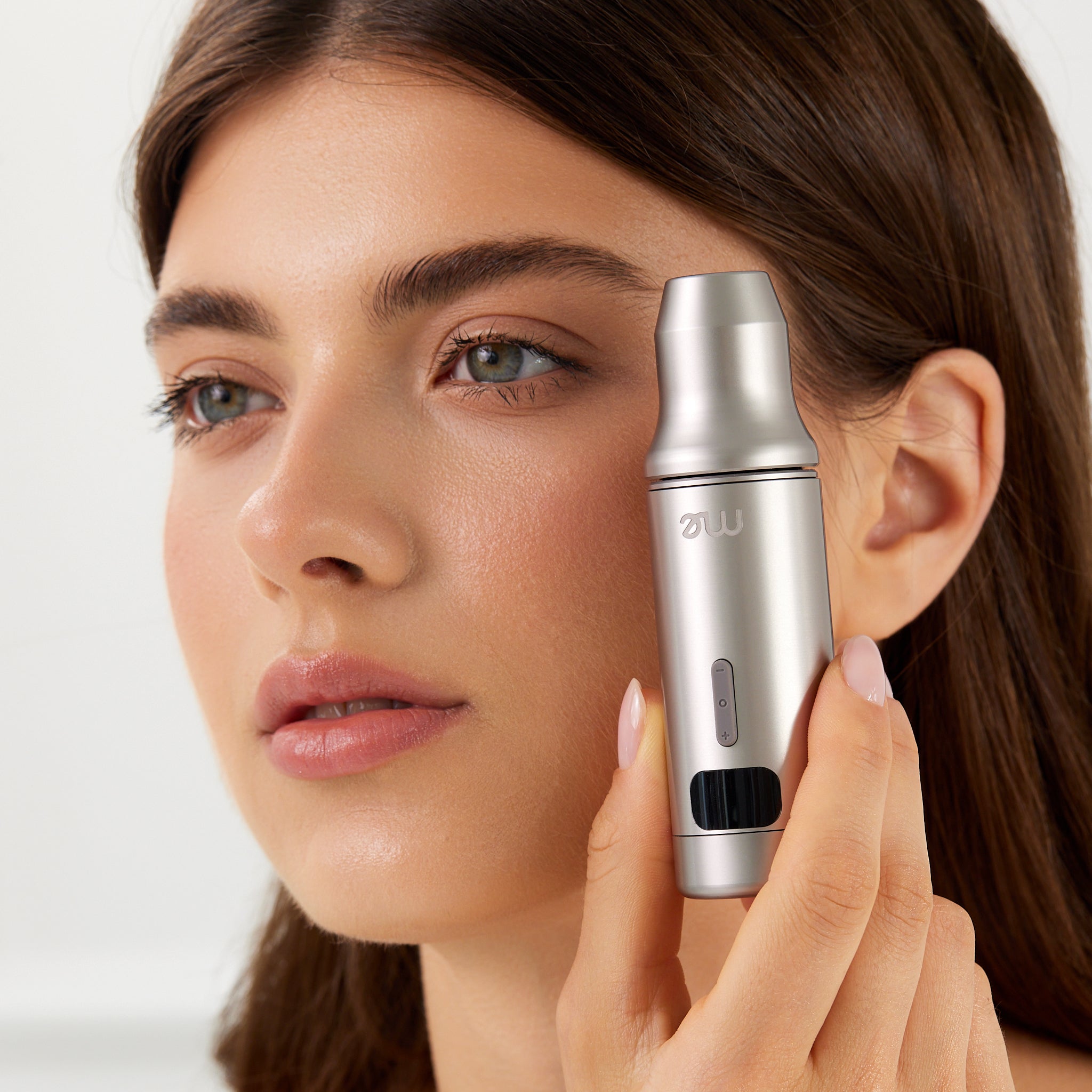
ME™ was developed for artists who want to concentrate on technique rather than compensating for unstable machine behaviour.
Its Motion Control system is designed to regulate needle behaviour under changing tissue resistance, supporting a workflow that feels stable and controlled. This does not replace the artist’s knowledge or technical ability. It provides a more predictable mechanical foundation, allowing the artist to focus on:
-
needle control;
-
movement and direction;
-
working angle;
-
skin tension;
-
tissue response;
-
consistent pigment implantation.
The machine cannot make decisions for the artist, but it should not force the artist to compensate for its limitations.
Technique Over Labels
Describing yourself as a “light-handed” or “heavy-handed” artist should never become an excuse for inconsistent results.
Effective permanent makeup is not defined by applying as little or as much pressure as possible. It is defined by control, observation and the ability to adapt.
The goal is not to work harder. It is to create the correct interaction between the needle, pigment and tissue — consistently, deliberately and with as little unnecessary trauma as possible.
Finding your own sweet spot is not a matter of luck. It is the result of conscious practice, technical understanding and careful analysis of healed results.

Leave a comment
All comments are moderated before being published.
This site is protected by hCaptcha and the hCaptcha Privacy Policy and Terms of Service apply.