
Protecting your PMU machine is one of the simplest steps in every procedure, yet it is also one of the most frequently overlooked.
Every permanent makeup treatment involves direct contact with broken skin, pigment, lymph and, occasionally, small amounts of blood. While artists pay close attention to sterile cartridges and disposable gloves, the machine itself is often forgotten.
It shouldn't be.
Proper barrier protection and cleaning are essential not only for infection control, but also for protecting the device from contamination and premature wear.
Barrier protection is not optional. It is part of the procedure.
If you work on broken skin, protecting and disinfecting your equipment is your responsibility, not a matter of convenience or personal preference.
Good hygiene should never depend on whether the machine "looks dirty" or whether you feel like cleaning it after a long day. It should be as automatic as opening a sterile cartridge or putting on a new pair of gloves before every procedure.
Clients trust you not only with the quality of their permanent makeup, but also with their safety. Every instrument used during the procedure should reflect that responsibility.
Why It Is Important
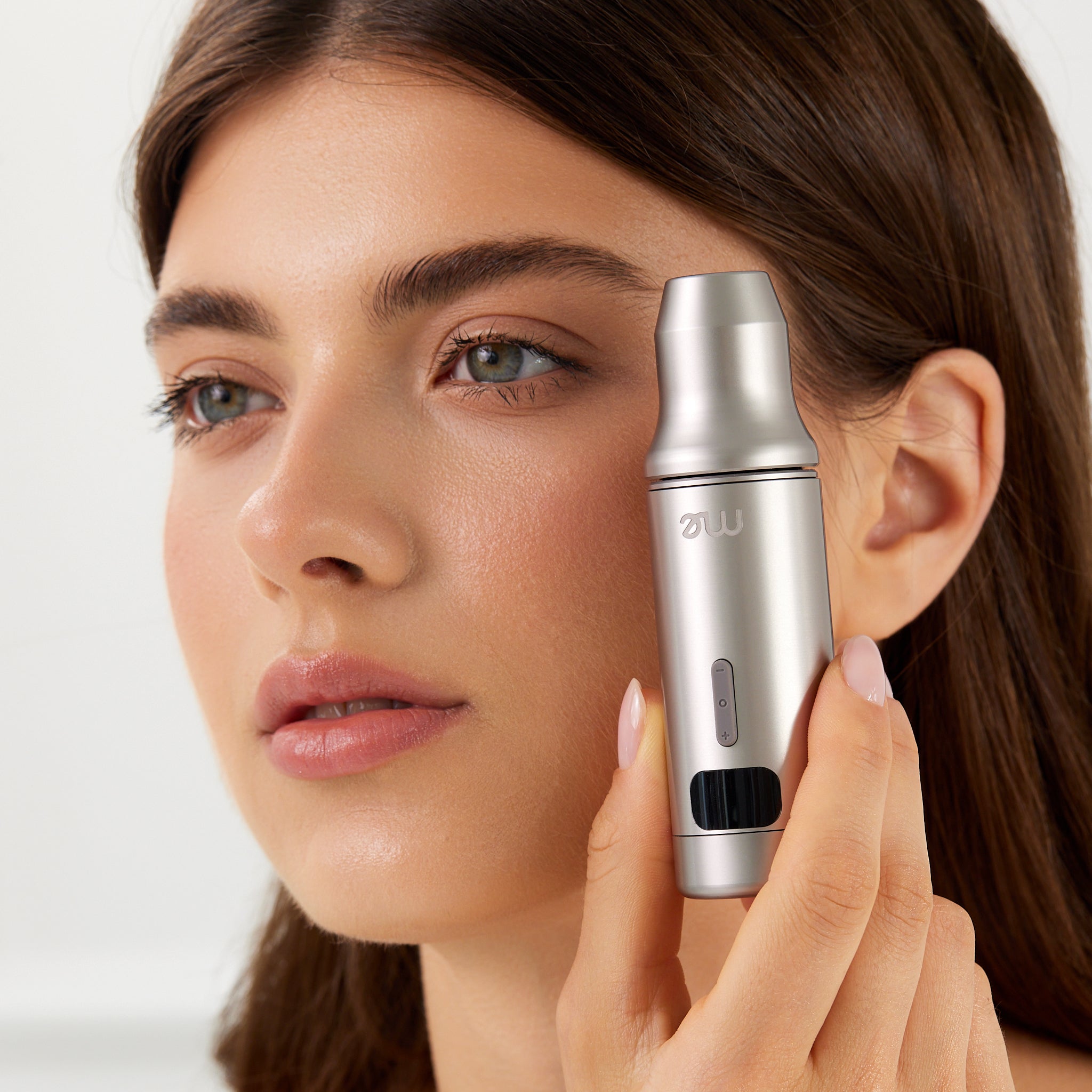
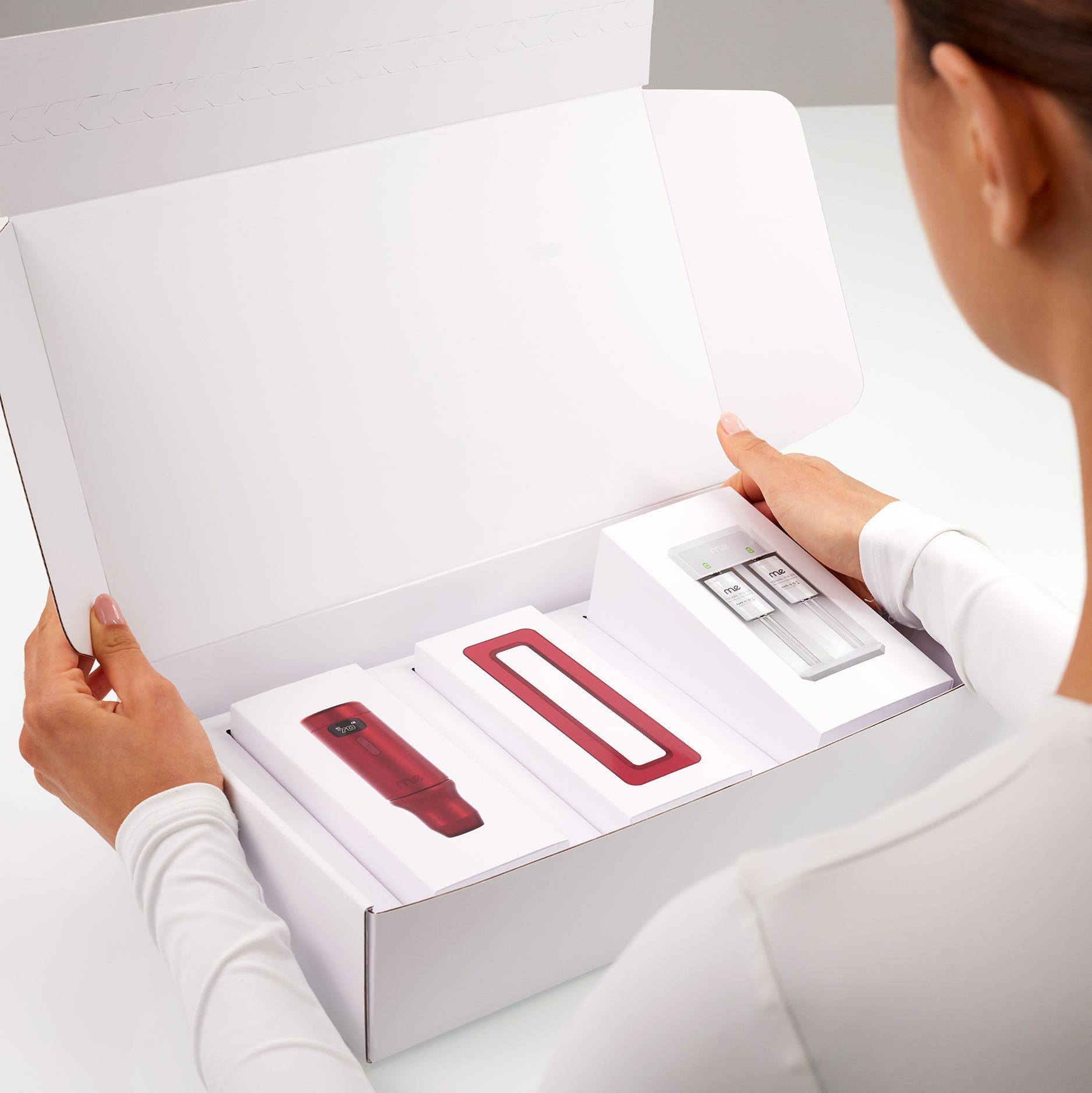
At ME™, we design and service PMU devices.
Machines returned for routine maintenance often tell the same story.
We regularly find dried pigment around buttons, contamination inside threaded components, residue trapped around seals and surfaces damaged by inappropriate cleaning products.
None of these issues develop during a single procedure.
They accumulate gradually, often because the machine was never properly protected or cleaned after use. Most artists never see the inside of their machine. Our technicians do. For this reason, protecting the device should become as routine as changing gloves or opening a sterile cartridge.
Before Every Procedure
Before starting any treatment:
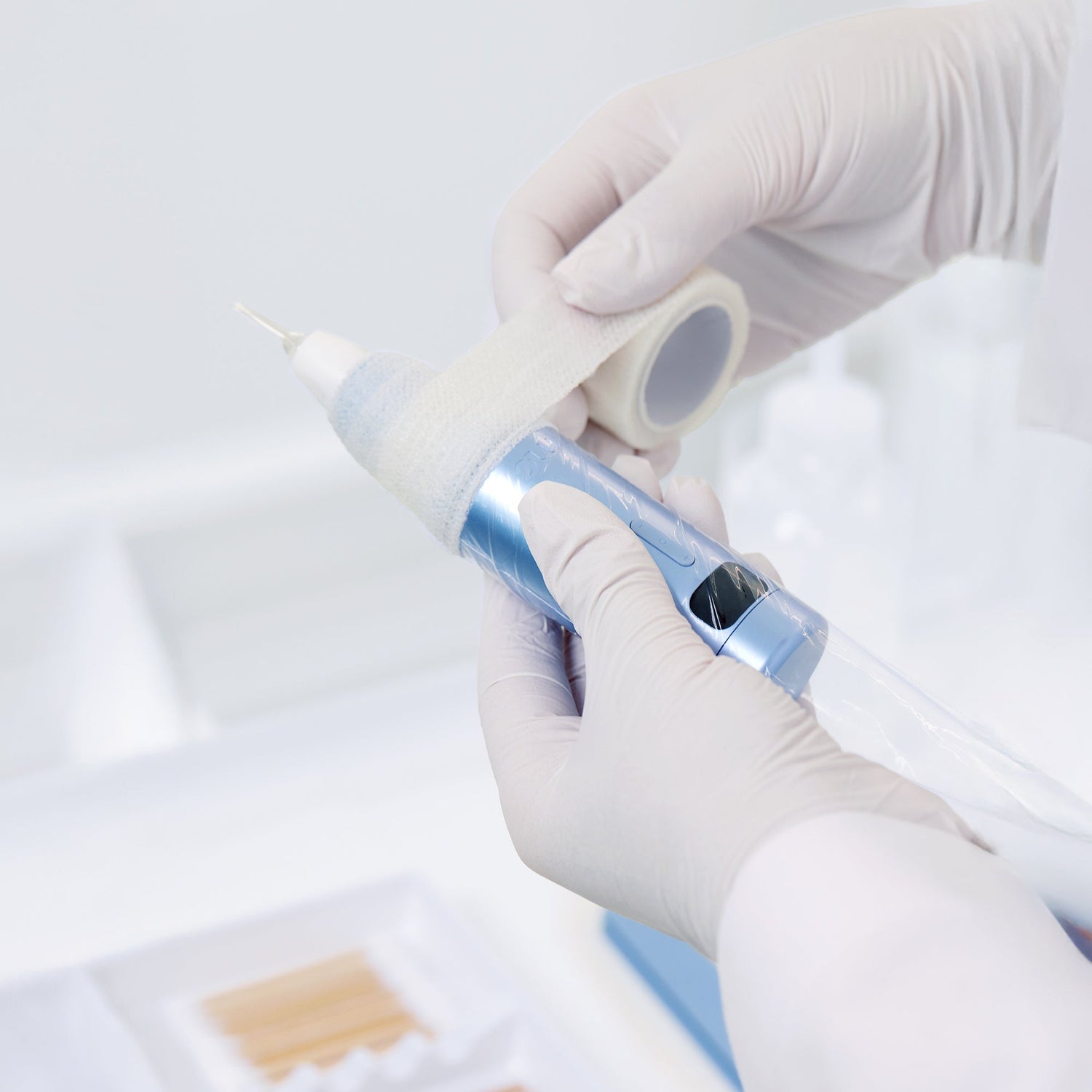
- Cover the body of the machine with a disposable barrier sleeve or protective film.
- Wrap a disposable cohesive tape over the grip area.
- If you use a wired machine, ensure the protective sleeve also covers the cable close to the handpiece.
Barrier protection should remain intact throughout the procedure.
If it becomes damaged, replace it immediately.
Protect the Buttons as Well
One common mistake is protecting only the grip while leaving the control buttons exposed.
During treatment, artists frequently adjust speed, pause the machine or switch settings while wearing contaminated gloves.
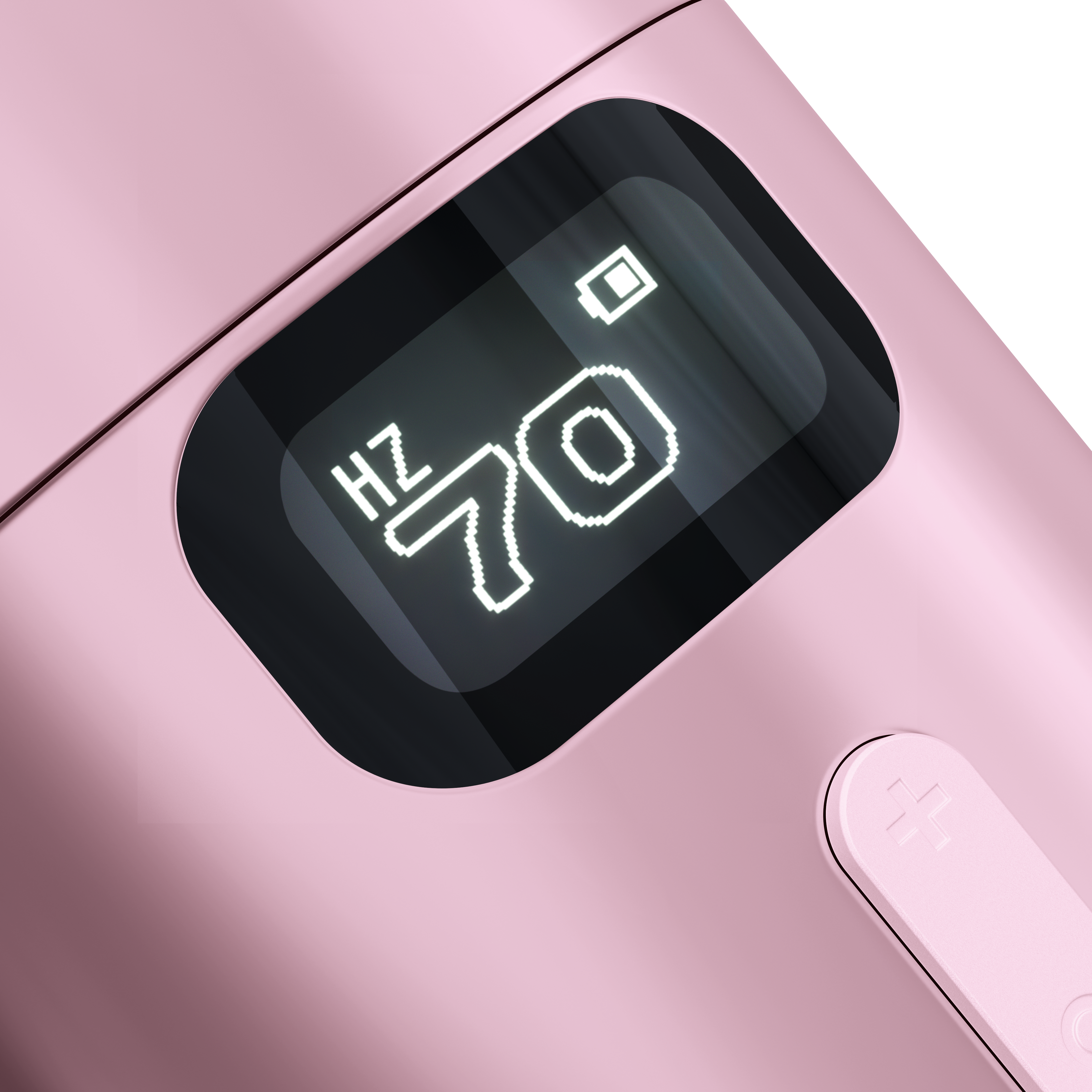
If the machine with button remains uncovered, pigment, lymph and biological residue can be transferred directly onto the buttons and surrounding surfaces.
Over time, contamination accumulates in areas that become increasingly difficult to clean.
The entire machine - not only the grip- should remain protected during treatment.
After Every Procedure
Once the procedure has finished:
- Remove contaminated gloves.
- Put on a clean pair of gloves.
- Remove the cohesive wrap, if used.
- Carefully remove the protective sleeve.
- Disinfect the external surfaces according to the recommendations.
Do not spray disinfectant directly onto the machine.
Instead, apply the disinfectant to a disposable wipe or sterile gauze and clean the outer surfaces.
This helps prevent liquids from entering the housing through buttons, charging ports or other openings.
Sterilization and Disinfection Are Not the Same
A PMU machine cannot be sterilized as a complete device.
The electronic body contains components that are not designed for steam sterilization.
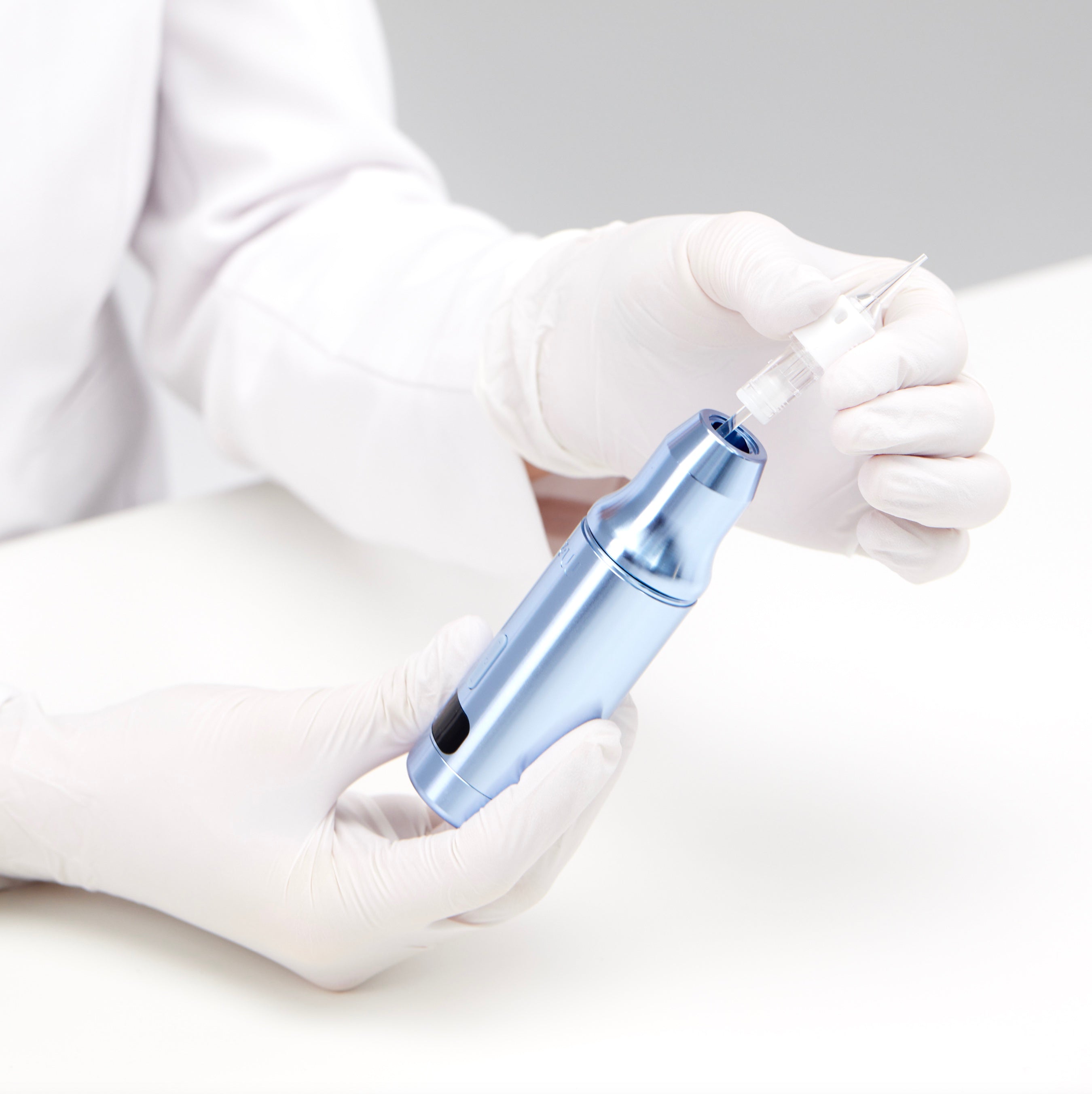
Only removable parts like grip should be placed in an autoclave and only according to the manufacturer's instructions.
Everything else should be protected during treatment and disinfected afterwards.
Cleaning Is Part of the Procedure
One thing we have learned from servicing PMU devices is that cleaning habits become visible over time. Machines that are protected and cleaned after every procedure remain in significantly better condition than those cleaned only when contamination becomes visible.
Don't wait until your machine looks dirty.
Cleaning your machine should be as natural as disposing of the cartridge after the procedure, not because someone tells you to do it, but because it is simply part of performing permanent makeup safely.
ME™ Device Recommendations
For the ME™ device:
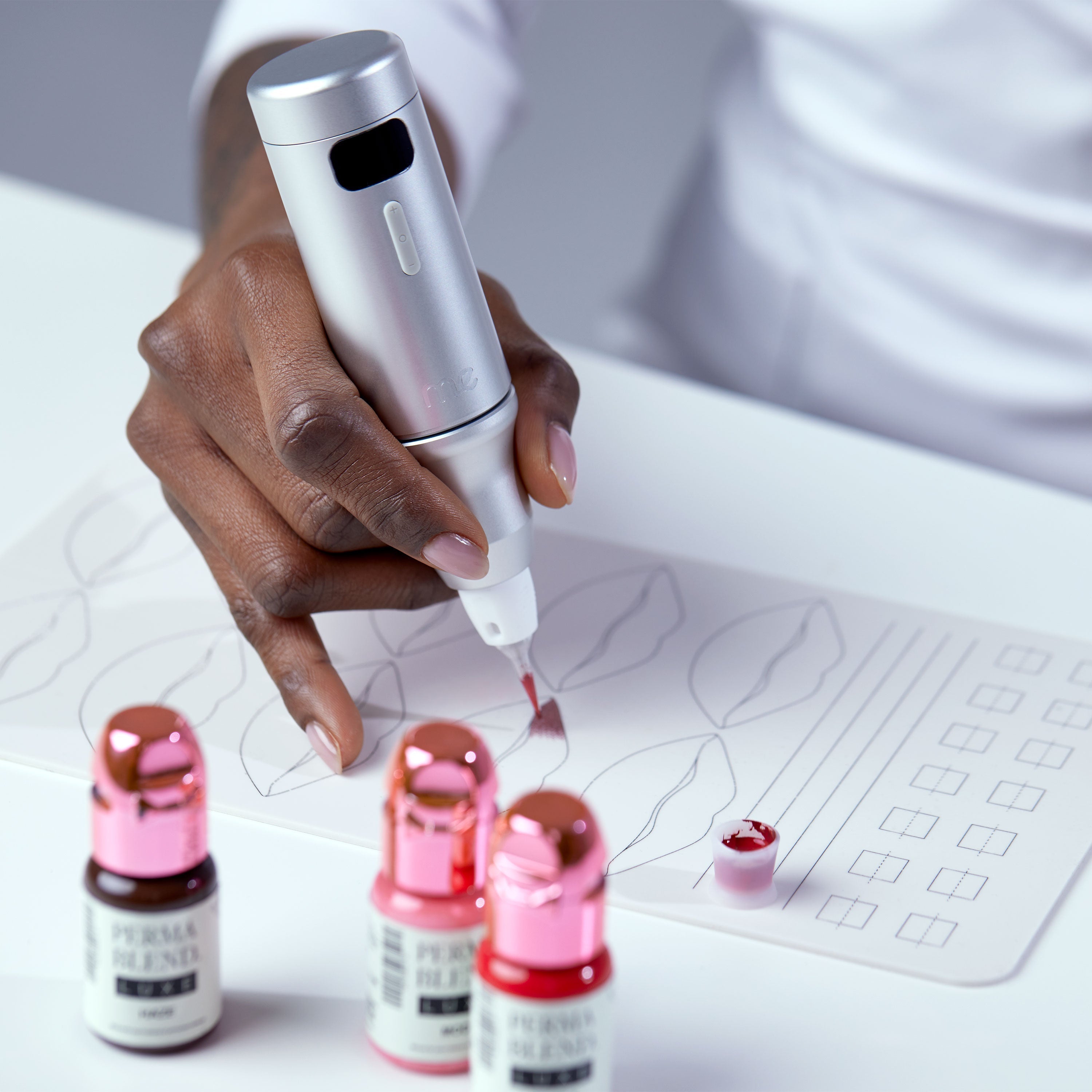
- Always cover the body, display and control buttons with a disposable barrier during every procedure.
- Disinfect the external surfaces after each client using the recommended method.
- Never spray liquids directly onto the device.
- Sterilize only removable components approved for sterilization according to the user manual.
- Regularly inspect the grip threads and external surfaces for accumulated pigment or residue.
Proper protection takes less than a minute.
Repairing contamination damage or replacing electronic components takes considerably longer.

Leave a comment
All comments are moderated before being published.
This site is protected by hCaptcha and the hCaptcha Privacy Policy and Terms of Service apply.