
EVERYTHING STARTS WITH A DOT
ME™ controls how needle movement is generated, delivered and transferred into the skin. Stroke defines the distance. Frequency defines how often. Motion Control™ defines how.
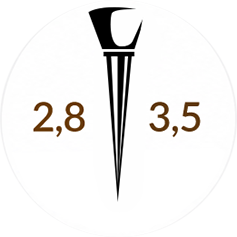

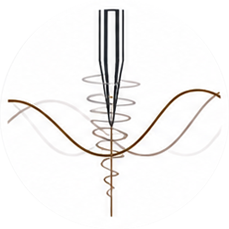
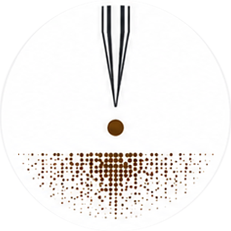
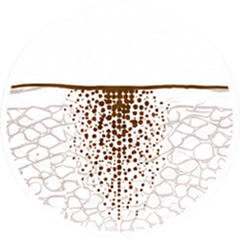
Two Universal Strokes. Four Different Needle Behaviours.
ME MOTION CONTROL™ PROFILES
Instead of changing only the stroke length, we engineered dedicated motion profiles around the needs of specific PMU techniques and the sensorial and visual preferences of artists.
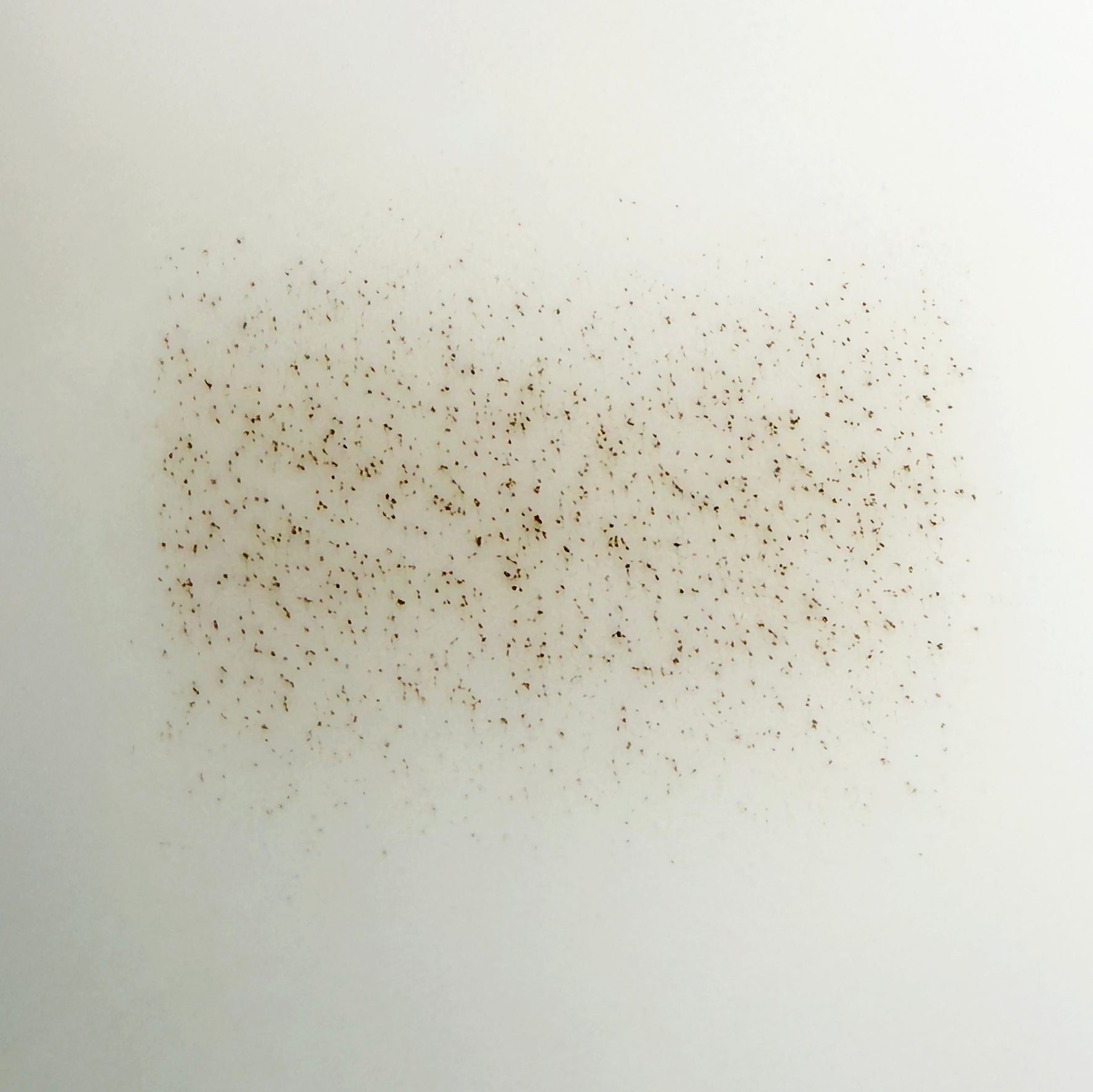
LIPS MOTION
IMPULSE FEEL
Soft, but direct/dynamic
PIXEL STRUCTURE
Fine, clean pixel
STROKE 2.8 mm
CHARACTER
Controlled tissue interaction. Reduced swelling of the vermilion and wet mucosa.
CONTACT TIME
Short
TYPICAL FREQUENCY
45–65 Hz
ENERGY TRANSFER
Medium
BEST SUITED FOR
Developed around the biomechanics of lip tissue. Also ideal for thin, mature and delicate skin where controlled implantation is essential
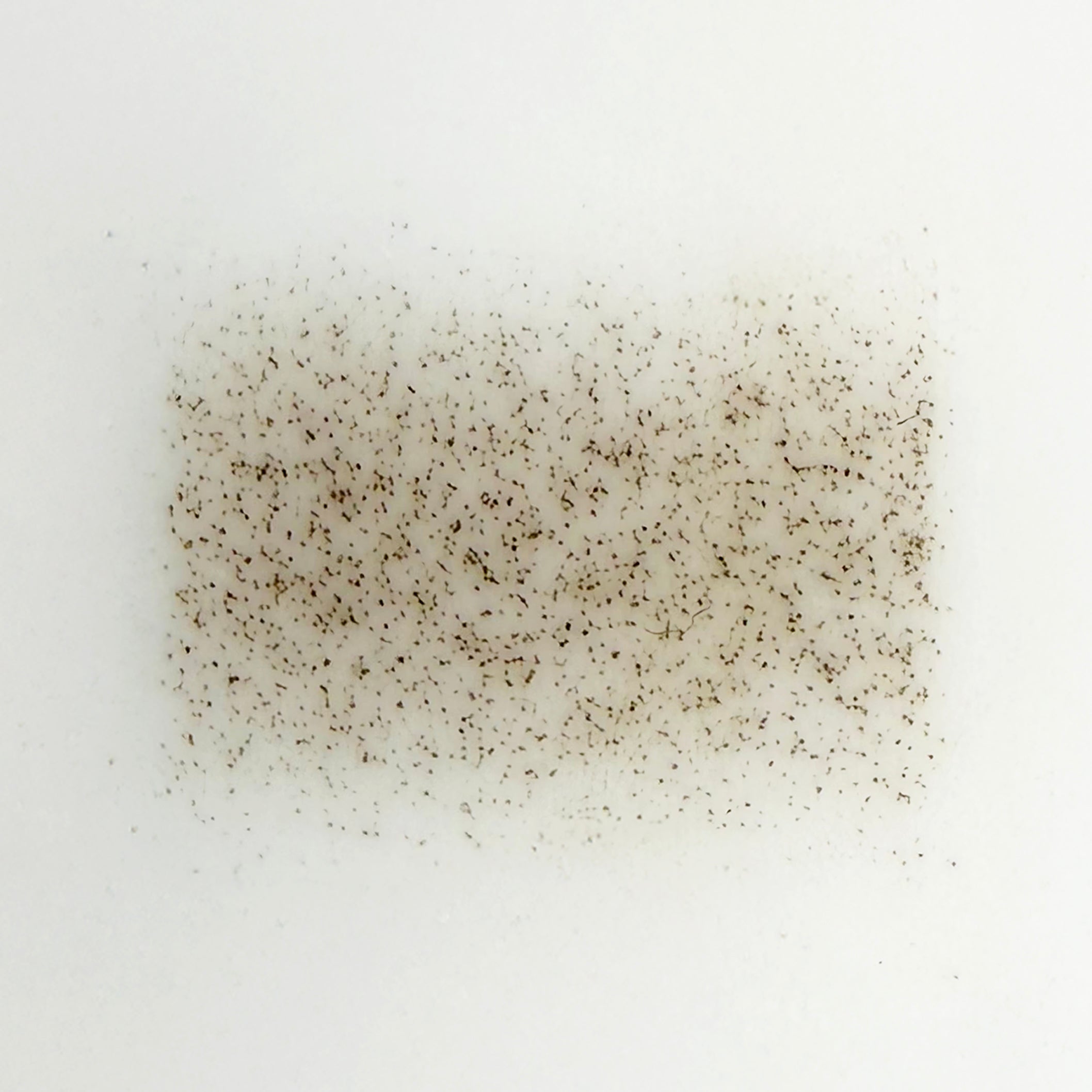
POWDER MOTION
IMPULSE FEEL
Optimised between softness, control and directness.
PIXEL STRUCTURE
Clearly defined individual pixels
STROKE
2.8mm or 3.5mm
CONTACT TIME
Longer than both Lips Motion and Satin Motion
TYPICAL FREQUENCY
50–75 Hz
ENERGY TRANSFER
Medium-High
BEST SUITED FOR
Powder Brows. The universal everyday Motion Control™ profile
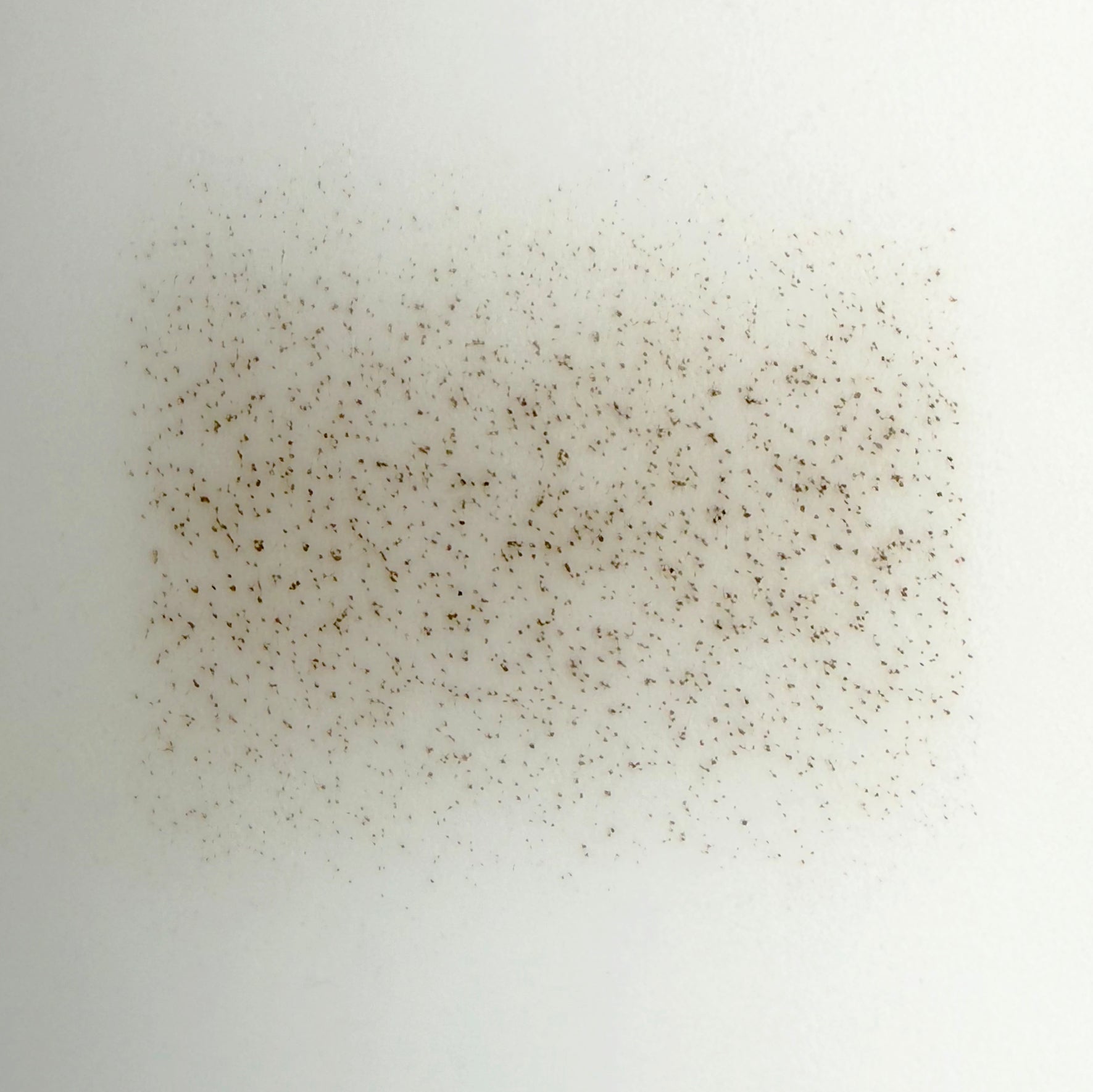
SATIN MOTION
IMPULSE FEEL
Soft and smooth
PIXEL STRUCTURE
Ultra-fine, diffused pixels
STROKE
2.8mm or 3.5mm
CONTACT TIME
Medium–Long
TYPICAL FREQUENCY
55-70 Hz
ENERGY TRANSFER
Medium-High
BEST SUITED FOR
Satin Brows. For artists looking for a soft, diffused finish
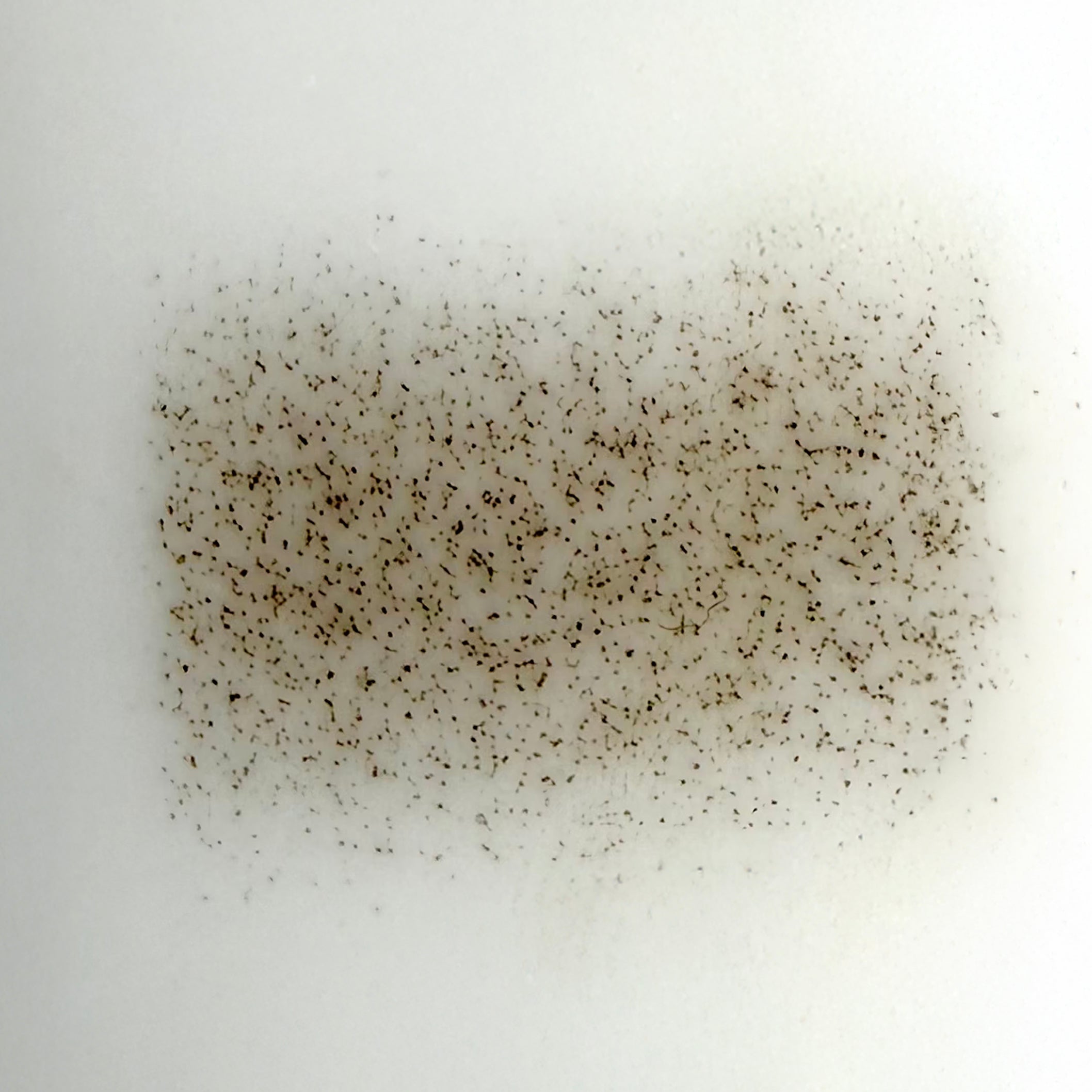
HAIR MOTION
IMPULSE FEEL
Firm and direct
PIXEL STRUCTURE
Compact, defined pixels. Precise pixel placement
STROKE
2.8mm or 3.5mm
CONTACT TIME
Medium–Long
TYPICAL FREQUENCY
30-55Hz
ENERGY TRANSFER
High
BEST SUITED FOR
Hair stroke techniques. Ideal for artists who prefer a more direct needle feel
ME™ doesn't require you to adapt to the machine.
How to Work with ME™
Working with ME™ requires a different mindset. Stop trying to implant pigment by force. Focus on the movement, the technique and the result you want to create. Work only with the tip of the needle and allow the engineered movement to transfer the energy into the skin. What you see on latex is what you should expect to see in the skin. Dot size, pixel quality and implantation remain consistent, with minimal tissue trauma and predictable healing.
Motion Control™ Satin
Observe the implantation pattern created by the Satin profile: fine, closely spaced pixels designed to build a soft, diffused result. Every visible pixel represents an actual implantation point - not superficial pigment left on the surface.
Layering
Build the result layer by layer. Each pass adds controlled implantation points to the existing pattern. Density and saturation are created by intentional layering - not by increasing pressure or repeatedly working the same area.
Finished Result
Create the healed result during the procedure. Build saturation, density and gradient in controlled layers, knowing what each pass is adding to the skin. No guessing, no unnecessary tissue trauma, no empty deposition — only intentional implantation that builds toward the result you want to see healed.
Product Comparison
Every healed result begins long before the needle touches the skin.
This comparison explains how traditional PMU machines and ME™ differ in the way movement is generated, controlled and transferred into the skin.
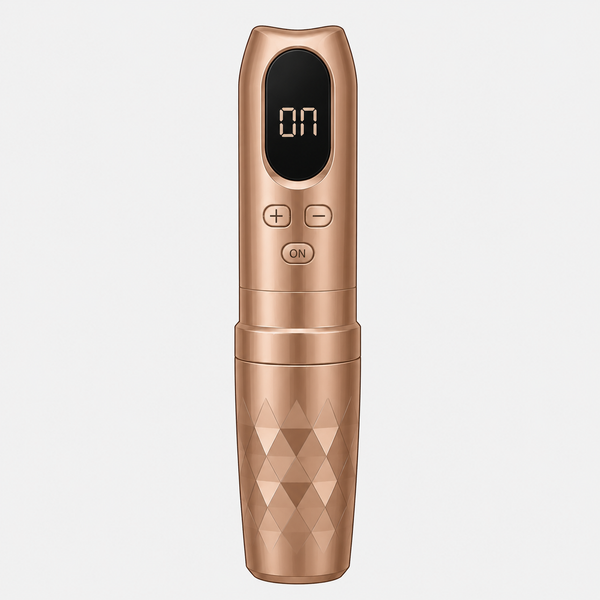
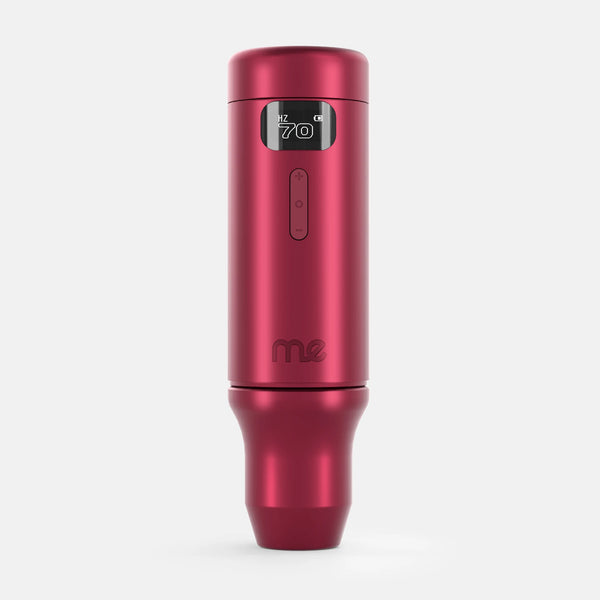
Most commonly powered by brushed or coreless DC motors.
Custom Faulhaber brushless motor within a controlled movement system
Stroke defines the travel distance and becomes the primary parameter used to influence needle behaviour.
Stroke defines the travel distance. Motion Control™ shapes how that movement behaves. Choose between two fixed stroke lengths: 2.8 mm or 3.5 mm
Designed for versatility, not for optimised performance at every stroke length.
Each stroke is independently engineered, with its own geometry, tolerances and Motion Control™ profile
Voltage is used to influence machine performance
Voltage supplies power. Frequency and Motion Control™ define performance
Needle frequency is unknown and changes under load
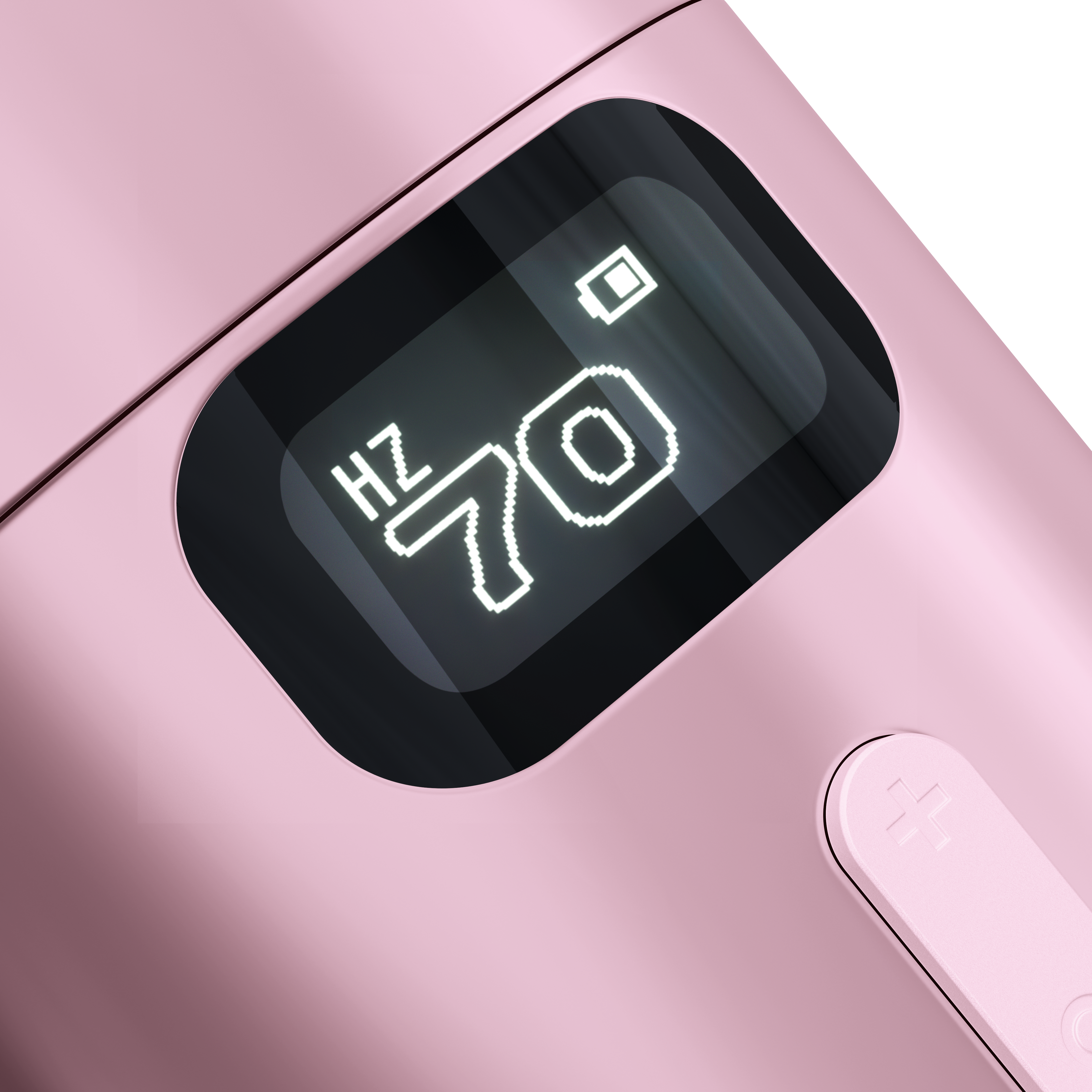
Real frequency displayed in Hz. 1 Hz = one complete needle cycle. It reflects the actual needle movement
Not available. A single movement profile based on motor, stroke and voltage.
Dedicated movement profiles independently engineered for each stroke and technique
Dot formation depends on machine settings, skin resistance and artist compensation
One engineered movement. One predictable dot. Every Dot Impulse™ is engineered and programmed to deliver a specific tissue response.
Less predictable tissue response. Greater tissue trauma. Higher risk of swelling.
Consistent tissue response. Minimal swelling. Minimal tissue trauma.
Less predictable healing. Variable pigment retention. Greater dependence on machine compensation through technique and pigment selection
Predictable healing. Consistent pigment retention. Designed for repeatable results
Shop the look
Blog posts
Can I convert my usual voltage setting into Hz?
No- and you shouldn't try to. If you have always worked at 6 V, 7 V or 8 V on another machine, there is no formula that will tell you what this equals in Hz on ME™. 7 V does not equal 50 Hz, 60 Hz ...
Volts vs Hz in PMU Machines: What Machine Speed Actually Means
There is one question I hear at almost every PMU training, workshop and demonstration: “What speed are you working at?” For years, the answer has usually sounded something like: “5 volts.”“7 volts....
Why Does the Machine Have a Real Impact on Permanent Makeup Results?
Does your PMU machine really affect healed results? Discover why permanent makeup is more than stroke length or voltage, and learn how machine mechanics, tissue interaction and Motion Control influ...